When we think of boat rental, the first images that come to mind are holidays on the sea, sailing, island-hopping cruises and the joy of being out on the water. Yet this kind of luxury and beauty can only last if we all take care of the environment together. Chartering yachts, hiring motorboats or renting sailboats inevitably comes with responsibility: protecting the sea and the coastline from pollution and overuse. Having spent many summers aboard different vessels, I have personally witnessed how fragile the sea is, and how even the smallest act of carelessness can leave permanent scars.
Waste on boats and the problem of plastic
On charter boats and yachts, disposable plastic cups and utensils are often used because they are light, cheap and don’t break like glass. But that’s where the problem lies. People tend to be less careful with plastic, and it doesn’t take much for a cup or a bag to end up in the sea. Unlike glass, which eventually breaks down in the sand or gets recycled into a new bottle, plastic remains in the water for thousands of years. When the wind or waves rock the vessel, rubbish easily slips overboard – and once it’s in the sea, no one will pick it up. The sea is not a street that someone will sweep clean; whatever falls into it stays there forever.
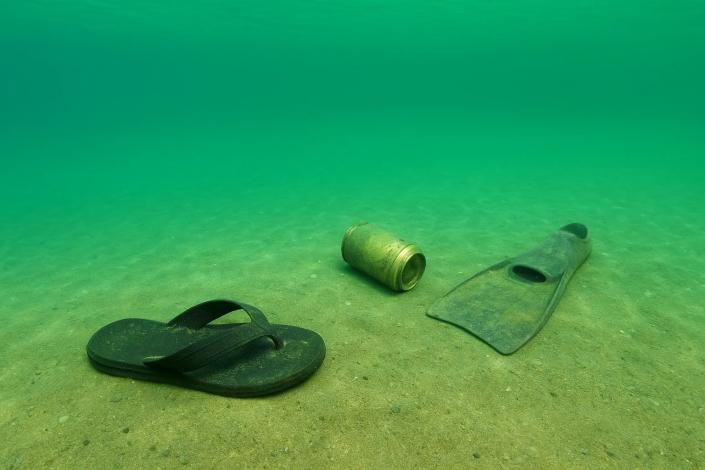
Unfortunately, every return to the same destination reveals the same picture: more plastic, bottles, bags and tiny bits of waste floating along the coast. Dive into one of the popular bays and instead of schools of fish, you might see floating bags and leftover packaging. It’s a bitter reminder that yacht and boat rentals are not just about pleasure, but also about responsibility toward the marine environment.
Anchoring and the underwater world
When a boat drops anchor, it scrapes the seabed and destroys habitats. Fish then move away from the coast because their natural homes vanish. The solution lies in mooring systems with concrete blocks or eco-friendly buoys that allow tying up without damaging the seabed. Even so, this should be used wisely – not every bay needs to be covered with buoys, but rather carefully chosen spots. Only then can cruising remain in harmony with nature.
Beaches, cigarette butts and children on holiday
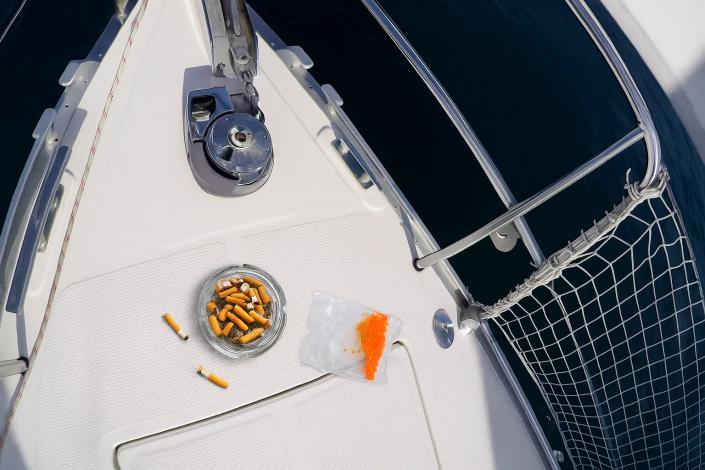
One of the uglier sights are cigarette butts that end up in the water. All it takes is a small accident or a gust of wind blowing a cigarette from the deck, and the sea is polluted. Some countries have already introduced beach smoking bans, and it would make sense to extend this to charter boats as well. Children on holiday are also not always aware of their actions. Candy wrappers, food packaging or small toys often end up in the sea, especially when parents are more relaxed and don’t watch them constantly. Plastic is the worst companion for a summer holiday on a rented boat, and sadly it is the most common type of waste in the sea.
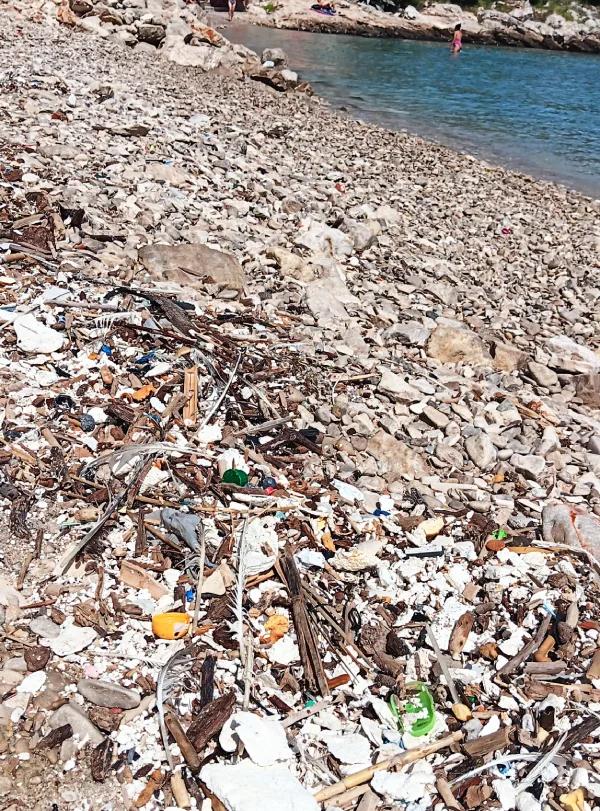
Inflatable toys, beach balls and cheap gadgets left on the shore eventually break down into microplastics. Years later, when lying on the beach, you may notice tiny blue-red specks in the sand – chances are, you’re looking at the remains of your own lost flip-flops from a past sailing trip. Even the fish we later eat contain those same plastic particles. It’s a reality every sailor on holiday should think about.
Fishing and pressure on fish stocks
Another problem tied to mass yacht charter tourism is fishing. It may sound harmless when each crew member catches just one fish a week, but the numbers tell a different story. Every season, around 10,000 charter vessels are available, each carrying an average of 8 people. That means 80,000 people out at sea weekly. If each one catches only a single fish, that’s 80,000 fewer fish – every week. And since the season lasts about 15 weeks, we’re talking about 1.2 million fish disappearing annually, just because of tourists on chartered yachts and rented motorboats. Nature simply cannot sustain this pressure.
In restaurants, wild fish is getting more expensive precisely because it is becoming rarer. The solution is not even more fishing, but conscious choices – opting for farmed fish, vegan seafood alternatives or traditional sea plants. Only this way can fish stocks recover and preserve what makes a holiday at sea so unique.
Fishermen and plastic waste
Plastic pollution doesn’t only come from tourists and rented boats. Styrofoam and plastic boxes used by fishermen often end up in the sea. In the past, they used wooden crates that were more durable and environmentally friendly. It’s time for fishermen to return to those standards and introduce their own eco-practices, because protecting the sea is not just the job of tourists but of local communities as well.
What we can do for sustainable sailing – individuals, charter companies and communities
Protecting the sea and nature requires a joint effort. Everyone involved in nautical tourism, from individuals to entire communities, has their role to play. Ideally, plastic packaging, especially for liquids, should be banned altogether. Glass is heavier, but it breaks down faster and is easier to recycle. When choosing a vessel, give preference to sailboats – they leave a much smaller carbon footprint than motorboats. Even better, today there are electric sailboats that combine the joy of sailing with care for nature.
When it comes to food, choose farmed seafood and embrace more plant-based diets. If you want to “catch” memories, take a camera instead of a fishing rod. When you leave a destination, take nothing but pictures and memories, and leave no waste behind. This isn’t just a nice phrase but a real necessity if we want future generations to enjoy clean seas and the beauty of cruising.
Here are some practical suggestions:
Individuals – guests on a boat
-
Use reusable glass or metal cups and bottles instead of plastic.
-
Separate waste on board and take it ashore to designated disposal areas.
-
Never throw anything into the sea, including cigarette butts and small litter.
-
Choose products with biodegradable packaging (paper, glass, metal).
-
Opt for sailboats instead of motorboats, and whenever possible, go for electric versions.
-
Avoid fishing and enjoy farmed fish or plant-based sea alternatives instead.
-
At your destination, leave nothing behind and take only memories and photos.
Charter companies – yacht and boat rental providers
-
Introduce a strict ban on single-use plastics aboard all vessels.
-
Implement a no-smoking policy on charter boats and yachts.
-
Provide guests with eco starter kits: reusable bottles, shopping bags and tableware.
-
Place clear instructions on every boat about proper waste disposal and eco-friendly anchoring.
-
Maintain and offer modern sailboats and electric vessels as a more sustainable alternative to motorboats.
-
Educate crews and skippers about protecting the sea and the coastal environment.
-
Reward guests who follow environmental guidelines with special benefits or discounts.
Community and government
-
Enforce stricter regulations on the use of plastics on vessels and within marinas.
-
Introduce an absolute ban on plastic bottles, which remain the single biggest polluter of the environment.
-
Install a sufficient number of eco-friendly mooring buoys to protect the seabed from anchoring damage.
-
Restrict fishing in certain zones to allow marine life and fish stocks to recover.
-
Establish monitoring systems and fines for anyone polluting the sea.
-
Promote education about the importance of marine conservation through schools, awareness campaigns and tourism programs.
-
Support fishermen in returning to sustainable practices without plastic.
-
Encourage forms of tourism that focus on sustainability and authentic sailing holidays, rather than mass exploitation.
Conclusion: Responsible yacht charter
Boat rental – whether it’s a luxury yacht, a motorboat or a sailboat – promises an unforgettable holiday at sea. But that holiday is only truly valuable if it remains in harmony with nature. Every plastic bag, every disposable cup, every cigarette butt leaves a trace that doesn’t disappear. By changing small habits, choosing more sustainable options and thinking about long-term consequences, we can continue to enjoy clear waters for years to come. Because what we lose today will be nearly impossible to bring back tomorrow.
From our many years of sailing and cruising, we can say with certainty: the greatest luxury is not measured by the size of the yacht, but by the silence of an anchorage where you are alone, surrounded by a sea that still breathes freely. Let’s protect that together.